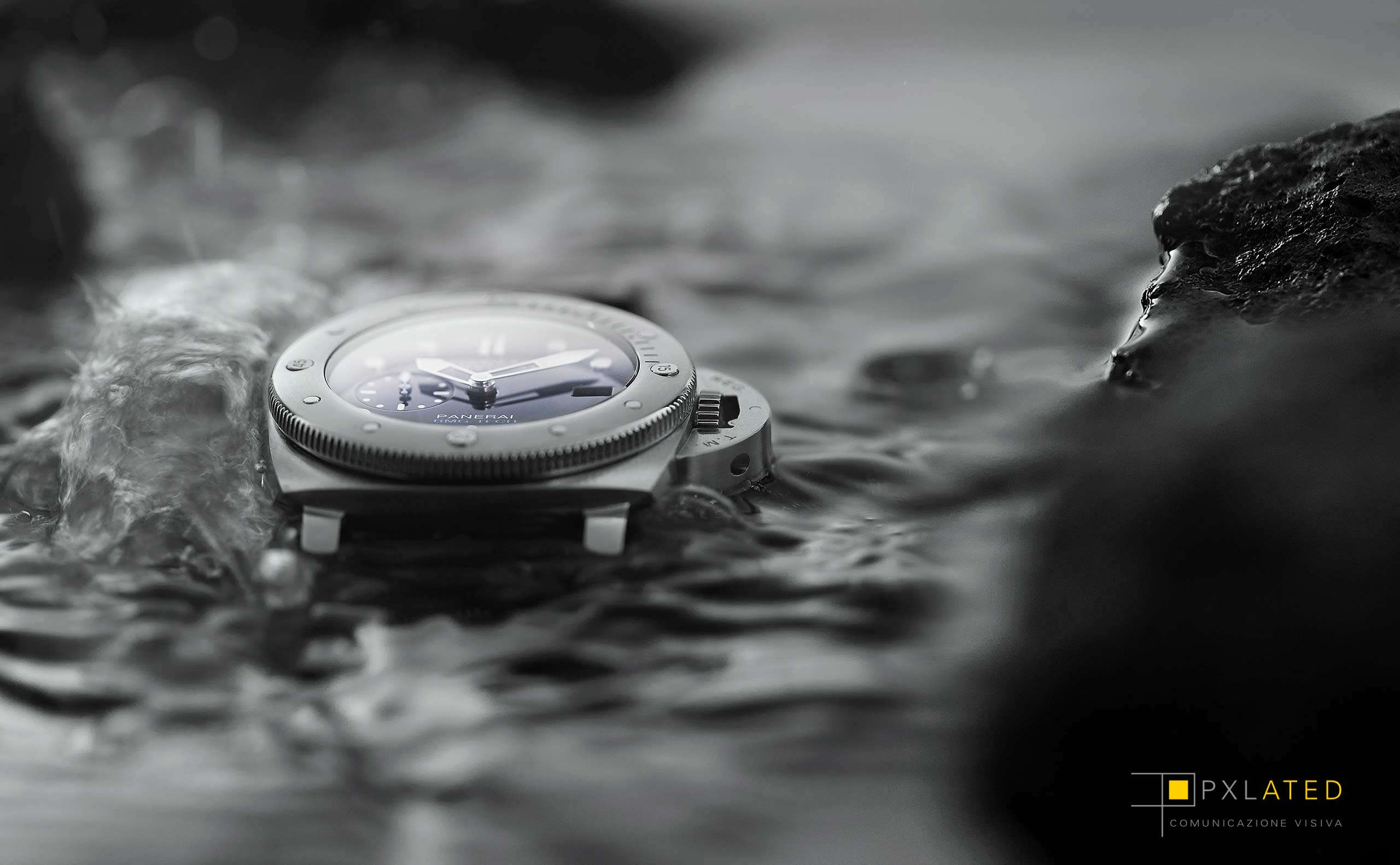
Product photo and Still life.
The Critical Role of Professional Product Photography in E-commerce
In the digital marketplace, the visual representation of a product is paramount. For a potential customer, the image is not merely a depiction; it is the product. Professional product photography is the technical and artistic discipline of creating high-fidelity, compelling, and accurate images for commercial use. Its primary function is to bridge the sensory gap of online shopping, directly influencing conversion rates, reducing product returns, and building brand credibility. Low-quality, inconsistent, or inaccurate e-commerce images can severely undermine consumer trust and devalue an otherwise excellent product.
Beyond Automation: Why the Human Eye is Irreplaceable
While automated photo booths and AI-driven editing software offer scalable solutions, they often lack the nuance and strategic thinking that define professional photography. The expertise of a seasoned photographer—their ability to interpret a brand’s essence, manipulate light, and compose a shot with intent—provides a distinct competitive advantage. This human element transforms a simple product depiction into a persuasive visual asset.
The Technical Mastery of a Professional Photographer
A professional’s value lies in their precise control over the fundamental variables of photography. This technical execution is what separates an amateur snapshot from a strategic commercial image.
- Lighting Control: This is arguably the most critical skill. A professional understands how to use light to sculpt a product. This involves multi-point lighting setups (key, fill, rim/backlight) to define shape, create depth, and highlight textures. They precisely control the quality of light—hard light to create sharp, defined shadows for dramatic effect, or soft, diffused light to provide even illumination and minimize reflections on glossy surfaces.
- Composition and Framing: The arrangement of elements within the frame is a deliberate process. A professional employs principles like the rule of thirds, leading lines, and negative space to direct the viewer’s eye to the product’s most important features. In still life photography, this includes the meticulous placement of the product and any supporting props to create a balanced and visually coherent scene.
- Lens and Aperture Selection: The choice of lens and aperture (f-stop) has a profound impact on the final image. A macro lens is used to capture intricate details, while a prime lens might be chosen for its sharpness. The aperture is controlled to manage the depth of field—a shallow depth of field (low f-stop) can isolate the product against a blurred background, while a deep depth of field (high f-stop) ensures an entire product is in sharp focus from front to back.
- Color Accuracy: Ensuring that the color of the product in the image matches the real-world item is critical for managing customer expectations and minimizing returns. This requires a calibrated workflow, including a calibrated monitor, the use of a color checker passport, and precise white balance settings to neutralize color casts from ambient light.
The Strategic Process of Professional Still Life Photography
Effective e-commerce images are the result of a structured, multi-stage process. Each phase is designed to ensure the final assets are technically flawless and aligned with strategic business goals.
Step 1: Pre-Production and Concept Development
This foundational stage is where strategy is defined. It involves a deep dive into the brand, product, and target audience to ensure the visual direction is on point.
- Brand Guideline Analysis: The photographer analyzes the client’s brand identity—logo, color palette, typography, and overall aesthetic—to ensure the e-commerce images are a cohesive extension of the brand.
- Shot List Creation: A detailed document is created outlining every required shot. This includes hero shots, detail close-ups, group shots, in-context or lifestyle images, and functional shots demonstrating use.
- Prop and Background Sourcing: Any props or surfaces are carefully selected to complement the product and reinforce the brand message. The goal is to enhance the product, not distract from it.
Step 2: The Photoshoot – Execution and Precision
This is the execution phase, conducted in a controlled studio environment where every variable can be managed for optimal results.
- Product Preparation: The product is meticulously cleaned, steamed, polished, and styled. For still life compositions, every element is positioned with precision to achieve the desired composition.
- Tethered Shooting: The camera is connected directly to a computer, allowing images to be viewed on a large, calibrated screen in real-time. This enables the photographer and client to immediately assess focus, lighting, and composition, facilitating micro-adjustments on the spot.
- Advanced Techniques: For products with complex shapes or textures (e.g., jewelry, watches), techniques like focus stacking are employed. This involves taking multiple photos at different focal points and merging them in post-production to create an image that is perfectly sharp from front to back.
Step 3: Post-Production – The Digital Darkroom
Post-production is not about salvaging a poor photograph; it is the final, essential step in refining an already excellent one. It is a technical process that ensures consistency and perfection.
- RAW Image Processing: Professionals shoot in RAW format, which captures the maximum amount of sensor data. The first step is to process this file, making non-destructive adjustments to exposure, contrast, and white balance.
- Retouching: This involves meticulously removing any dust, fingerprints, or minor imperfections from the product and background. Advanced techniques like frequency separation may be used to clean up surfaces without destroying underlying texture.
- Color Correction and Grading: The image’s colors are fine-tuned to achieve perfect accuracy, matching them to the physical product. Color grading may be applied to ensure a consistent look and feel across the entire set of e-commerce images.
- Export and Optimization: The final, retouched images are exported to specific file formats (e.g., JPEG, PNG, WebP) and optimized for web use. This involves balancing file size against image quality to ensure fast page load times without a perceptible loss in visual fidelity.
Common Pitfalls of DIY E-commerce Images and How to Avoid Them
Attempting product photography without the requisite technical skill and equipment often leads to predictable and damaging errors. Recognizing these pitfalls underscores the value of professional intervention.
- Inconsistent Lighting: Using window light or basic lamps results in shifting colors and shadows across a product line, creating a disjointed and unprofessional online store.
- Distracting Backgrounds: Cluttered or inappropriate backgrounds draw attention away from the product.
- Poor Focus and Low Resolution: Soft focus and low-resolution images prevent customers from zooming in to inspect details, signaling poor quality.
- Inaccurate Color Representation: This is a primary driver of product returns, especially in fashion and home decor, leading to lost revenue and customer dissatisfaction.
- Lack of Visual Cohesion: A gallery of images with different lighting, angles, and editing styles weakens brand identity and erodes consumer trust.
Conclusion: Investing in Professionalism is Investing in Sales
Ultimately, professional product photography is not an expense; it is a critical investment in your brand’s digital presence. The technical precision, artistic vision, and strategic approach of a professional photographer produce e-commerce images that do more than just show a product—they communicate quality, build trust, and drive conversions. By prioritizing high-quality visuals, you are providing customers with the confidence they need to make a purchase.
Ready to elevate your brand’s visual identity? Contact a professional photography service to discuss how expert e-commerce images can transform your online store.